Mobile Grooming for Large Dogs
Mobile grooming for large dogs brings professional grooming closer to home, removing the need to lift a heavy dog into a car, manage an anxious journey or wait in a busy salon. For owners of German Shepherds, Golden Retrievers, Labradors, Rottweilers, Huskies, Boerboels and giant breeds, that convenience can make regular coat, skin, nail and hygiene care far easier to maintain.
Size is only one part of the grooming equation. A large dog’s coat type, shedding cycle, mobility, temperament and skin condition all influence the work required. A short-coated Great Dane has very different needs from a dense-coated Husky, while an elderly Labrador with stiff joints needs different handling from an energetic young dog.
A suitable mobile grooming appointment accounts for these differences instead of treating every large dog as the same. The groomer must have enough time, suitable equipment and accurate information from the owner before the visit. This guide explains what to expect, how often to book, which services your dog may need and how to prepare for an efficient appointment in selected areas of Gauteng.
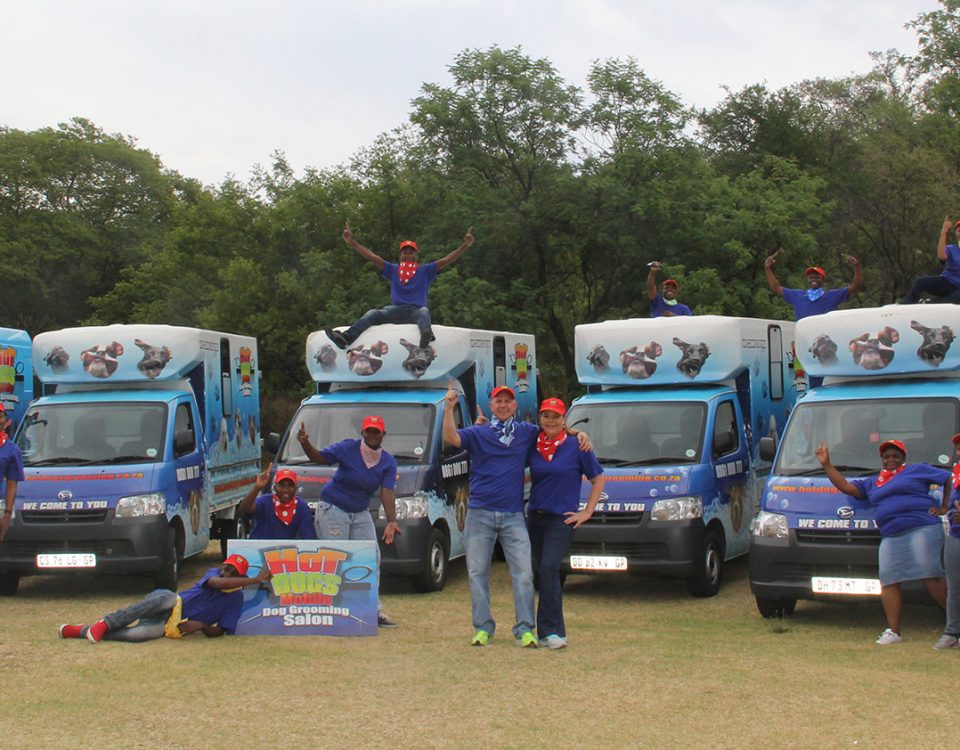
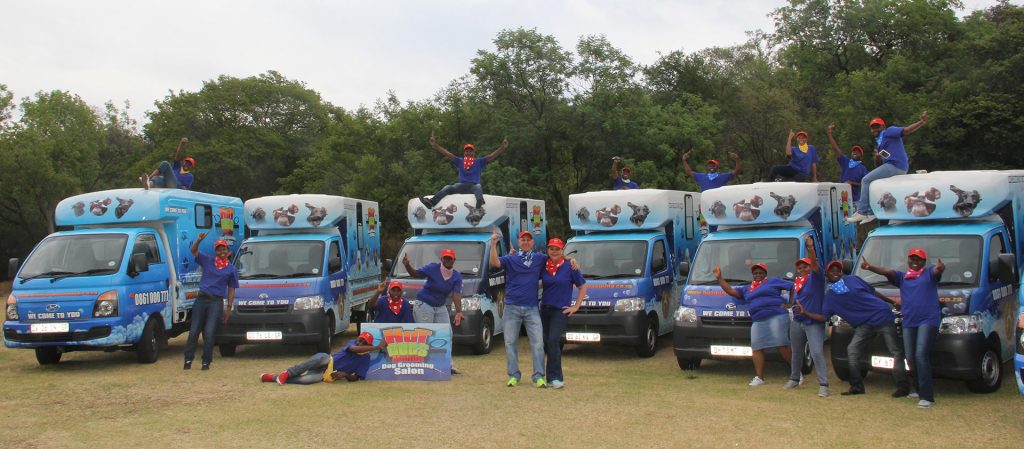
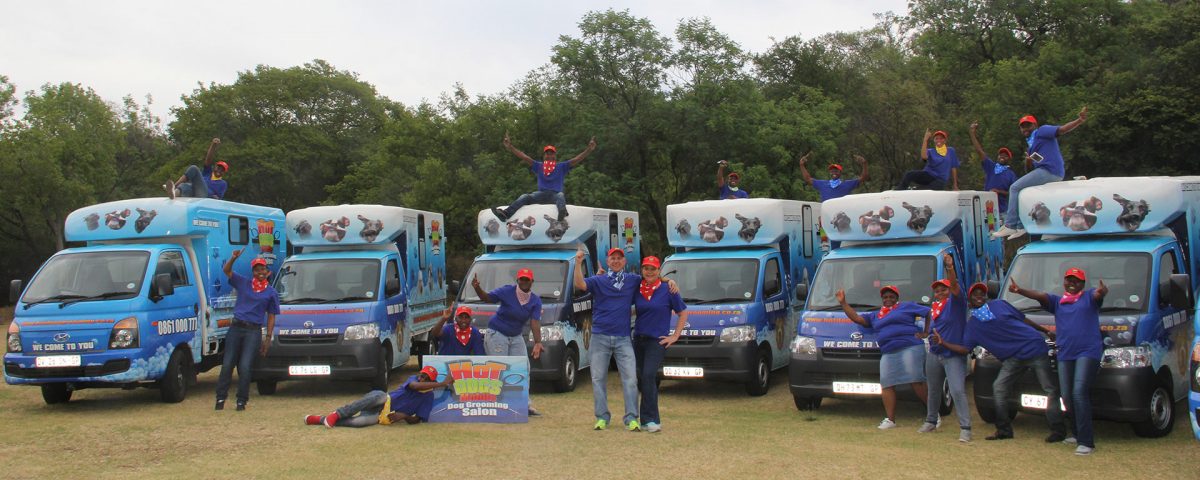
HotDogs Mobile Grooming provides mobile dog grooming in specified Gauteng service areas. Owners can review the available mobile grooming services and request a quote based on their dog’s individual requirements.
What does mobile grooming for large dogs involve?
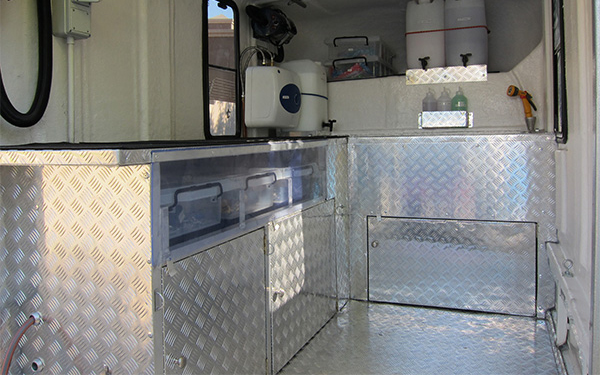
Mobile dog grooming takes place at or close to the client’s property using a purpose-equipped grooming unit. The dog receives individual attention without spending time in a communal salon environment. This arrangement is particularly useful for dogs that dislike car travel, become overstimulated around unfamiliar animals or are difficult for an owner to lift safely.
The exact service depends on the dog’s coat and the package agreed upon. A grooming session can involve bathing, appropriate shampooing, thorough rinsing, drying, brushing, removal of loose undercoat, nail trimming and hygiene work. Trimming or clipping is added where it suits the coat and the owner’s requested style. Owners should confirm the scope of the appointment beforehand, especially if the dog has matting, a compacted undercoat, sensitive skin or limited mobility.
Large dogs often take longer to wash and dry than smaller pets. Dense coats hold considerable water, and loose undercoat must be removed in sections. A dog that needs frequent rest breaks also requires more time. Giving accurate details during the quotation process helps the groomer allocate an appropriate appointment rather than discovering halfway through that the coat needs extensive corrective work.
Coat type matters more than body size
Two dogs of similar weight can require completely different grooming methods. Identifying the coat type is the first step towards choosing an appropriate schedule.
Short, smooth coats
Labradors, Rottweilers, Great Danes, Boerboels and many mixed-breed dogs can have short coats that appear low-maintenance. They still shed, collect dust and develop oily residue or odour. Rubber grooming tools, suitable brushes and controlled bathing help loosen dead hair without scraping the skin.
Short hair can work its way into upholstery and clothing, so regular removal of loose coat is valuable even if the dog never needs clipping. Skin changes are also easier to spot during hands-on grooming. Owners can monitor for unusual lumps, irritation, flaking, parasites or tender areas and seek veterinary advice where necessary.
Double coats
German Shepherds, Huskies, Golden Retrievers and several other large breeds have an insulating undercoat beneath longer guard hairs. These dogs can shed throughout the year, with heavier seasonal coat release. Thorough brushing and de-shedding remove loose undercoat before it compacts close to the skin.
A double coat generally should not be shaved simply to reduce shedding or make the dog cooler. Clipping does not stop the natural shedding process and can alter the way the coat grows back. It also removes protective guard hair. Severe matting, medical treatment or another exceptional circumstance may require a different approach, but that decision deserves careful discussion and, where health is involved, veterinary guidance.
Long, feathered and silky coats
Long-haired dogs and breeds with feathering around the legs, chest, tail and ears are prone to tangles in high-friction areas. Moisture, grass seeds and outdoor debris can make the problem worse. Regular line brushing, comb checks and neat trimming help prevent small tangles from becoming tight mats.
A brush may glide over the surface while knots remain near the skin. Following with a suitable comb is a useful way to check that the coat is clear from the roots to the ends. Particular attention is needed behind the ears, in the armpits, around the collar area and beneath the tail.
Curly and continuously growing coats
Standard Poodles, large poodle crosses and other curly-coated dogs need frequent brushing and planned clipping. Their loose hair tends to remain trapped in the coat instead of falling onto the floor. Without consistent care, it twists into mats that tighten as they become wet and dry.
Owners who prefer a longer style need to commit to more home brushing and shorter gaps between professional appointments. A practical, shorter trim can reduce daily maintenance, although it does not eliminate the need for brushing, bathing and nail care.
How often should a large dog be groomed?
There is no single timetable for every large dog. Many benefit from professional grooming every four to eight weeks, but the appropriate interval can be shorter or longer. Coat growth, shedding, outdoor activity, health and the amount of brushing done at home all affect the schedule.
Consider booking more frequently if your dog has a coat that mats easily, releases heavy undercoat, swims regularly, develops a strong odour or needs routine clipping. Senior dogs may also benefit from shorter, more manageable sessions instead of infrequent appointments that involve several hours of corrective grooming.
Bathing too often with unsuitable products can dry or irritate the skin, while leaving a dirty or compacted coat for months creates different problems. A groomer can suggest an interval after assessing the coat, but persistent itching, bald patches, sores, ear discomfort or a sudden coat change belong with a veterinarian. Grooming supports hygiene and coat maintenance; it does not replace diagnosis or medical treatment.
Brushing between mobile grooming appointments
Professional grooming works best when it is supported by brief, consistent care at home. Ten focused minutes several times a week is often more productive than a long session after knots have already formed.
- Choose tools for the coat: a slicker brush, undercoat rake, pin brush, rubber curry tool or metal comb each serves a different purpose. The largest or sharpest-looking tool is not automatically the best choice.
- Work in small sections: separate the coat gently and brush from the skin outward without repeatedly scraping the same area.
- Check hidden friction points: feel behind the ears, under the front legs, along the inner thighs and beneath collars or harnesses.
- Keep sessions calm: use a non-slip surface, reward relaxed behaviour and stop before the dog becomes frustrated.
- Do not cut tight mats with scissors: folded skin can be pulled into a mat and is easily injured. Ask a groomer to assess it.
Avoid intense de-shedding every day. Overworking one area can irritate the skin and break healthy guard hairs. Gentle, regular coat care is safer than trying to remove an entire season’s undercoat in one home session.
Clipping, shaving and coat condition
Owners sometimes request a very short clip because a large dog is shedding, smells or seems hot. The right response depends on the coat. Curly coats are routinely clipped to a chosen length, while double coats are generally maintained through bathing, drying, brushing and undercoat removal.
Matting can limit the style available. Tight mats pull on the skin, hide irritation and make brushing painful. Attempting to save a severely matted coat through prolonged de-matting is not always the kindest option. A shorter reset may be safer, followed by a realistic home-care schedule. The groomer should discuss the likely finish and any coat limitations before proceeding.
Never bathe a matted dog at home in the hope that the knots will loosen. Water often tightens existing matting, and a dense coat can remain damp near the skin long after the surface feels dry. Contact the grooming service first and describe where the mats are located.
Large-dog handling, mobility and safety
A large dog does not need to be aggressive to be physically challenging. An excited dog can pull strongly, spin on a lead or resist standing. An older dog may struggle with steps, slippery surfaces or holding one position. Honest information allows the appointment to be planned with the dog’s comfort and the groomer’s safety in mind.
Tell the groomer about arthritis, previous injuries, seizures, breathing concerns, skin sensitivities, bite history and areas the dog dislikes having touched. Also mention whether the dog can stand for drying and brushing, and whether it has previously used a mobile unit. A groomer may pause, adapt or stop a session if the dog becomes excessively distressed or if continuing would be unsafe.
Sedation is not a routine grooming tool and should never be administered without veterinary direction. If a medical or behavioural issue makes ordinary grooming unsafe, the owner may need to discuss a veterinary grooming plan with their vet.
Preparing your property and dog for the appointment
A little preparation prevents avoidable delays. Keep your dog securely inside or on a lead before the unit arrives; an open gate and an excited large dog are a poor combination. Make sure access is clear and advise the service about estate security, access codes, narrow entrances or parking restrictions when booking.
- Allow the dog an opportunity to toilet before the appointment.
- Avoid a very large meal immediately before grooming, particularly if travel or excitement upsets the dog.
- Remove tight clothing, complicated harnesses or accessories unless they are needed for safe control.
- List skin products, allergies, medical conditions and recent veterinary procedures.
- Point out tangles, lumps, sore areas or behavioural triggers before grooming starts.
- Keep other pets and children away from the working area during handover.
Gauteng’s dry winter air can coincide with dusty coats, static and visible flaking, while summer rain often means muddy paws and debris caught in feathering. Regular coat checks are useful across both seasons. During summer thunderstorms, noise-sensitive dogs may also be more unsettled than usual, so timing the appointment around a known storm forecast can help where scheduling allows.
How mobile grooming compares with a salon visit
Mobile grooming offers convenience and a quieter, more individual setting. The dog avoids a car journey and is usually returned to the owner as soon as its appointment is complete. This can suit senior dogs, nervous travellers and households where transporting a very large pet is impractical.
A salon may have more staff available for dogs that require multiple handlers, and some facilities can accommodate specialist equipment or unusually complex cases. The better option depends on the dog’s size, behaviour, health and the facilities available. Mobile grooming is not automatically suitable for every dog, particularly if safe access to the unit is impossible or the animal needs veterinary supervision.
Before booking, ask how the service handles large dogs, what information is needed, which coat services are available and what could cause the groom to be changed or stopped. Clear communication is more useful than choosing solely on the shortest appointment time.
What affects the grooming quote?
Large-dog grooming prices cannot be judged by breed name alone. Dogs within the same breed differ in size, coat density, behaviour and condition. A regularly brushed Golden Retriever and one with compacted undercoat will require different amounts of labour.
Factors that can influence a quote include:
- the dog’s size and approximate weight;
- coat type, length and density;
- matting or compacted undercoat;
- the requested service and trim;
- the time and handling required;
- mobility or behavioural considerations;
- location within the service area.
Provide recent, clear photographs if requested, including side views and close-ups of problem areas. Photos cannot reveal everything beneath a dense coat, but they can help with initial planning. For a price based on your dog and location, use the HotDogs large-dog grooming quote form.
Questions to ask before booking mobile grooming for a large dog
A useful enquiry includes more than the desired haircut. Ask what the proposed service covers, whether your dog’s size can be accommodated and how coat problems are handled. Confirm what the owner needs to provide on arrival and whether there are access requirements for the mobile unit.
Also discuss the expected result honestly. If you want a long finish but cannot brush the dog between visits, a shorter, manageable style may be kinder. If shedding is the main concern, ask about undercoat removal instead of requesting that a double coat be shaved. Good grooming decisions balance appearance with skin health, coat function and the dog’s tolerance.
Frequently asked questions
Can a very large or giant dog be groomed in a mobile unit?
It depends on the dog’s dimensions, mobility, behaviour and the mobile unit’s safe working capacity. Give the groomer an accurate breed, weight estimate and details about the dog’s ability to enter, turn and stand. HotDogs Mobile Grooming can assess suitability during the enquiry process.
Does shaving a large double-coated dog stop shedding?
No. Shaving cuts the hair but does not stop the natural shedding cycle. For most double-coated dogs, bathing, controlled drying, brushing and removal of loose undercoat are more appropriate. Medical needs or severe matting can require a different plan.
How long does mobile grooming take for a large dog?
Timing varies according to size, coat density, matting, drying time, requested styling, mobility and behaviour. A clean short coat may take considerably less time than a dense double coat or a curly coat requiring a full clip. Accurate information during booking helps the service allocate enough time.
Book a large-dog grooming enquiry with HotDogs
Regular grooming is easier on a large dog when appointments are planned before shedding, tangles or nail length become difficult to manage. HotDogs Mobile Grooming serves specified areas in Gauteng and can advise on service suitability after receiving your dog’s details.
Send the breed or coat type, approximate size, current coat condition, location and required service through the HotDogs grooming enquiry page. Include any mobility, skin or behavioural concerns so the team can respond with a more relevant assessment for mobile grooming for large dogs.