Mobile Dog Grooming for Senior Dogs: A Less Disruptive Grooming Option
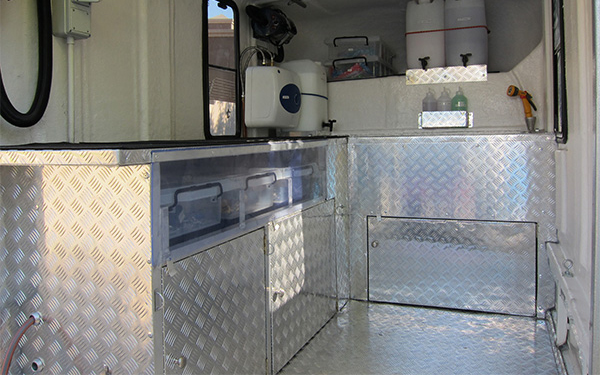
Mobile dog grooming for senior dogs offers a practical alternative for older pets who find car journeys, unfamiliar surroundings or busy grooming salons tiring. The groomer comes to the property, so the dog remains close to home and avoids much of the waiting and environmental stimulation associated with a salon visit.
Ageing does not remove the need for regular grooming. In fact, older dogs often need more attentive coat, nail, skin and hygiene care. Arthritis can make self-grooming difficult, reduced activity allows nails to grow longer, and changes in the skin or coat can make matting and irritation easier to miss.
A mobile appointment cannot remove every challenge. A dog still needs to stand, change position and tolerate handling. However, removing the journey and reducing exposure to unfamiliar dogs, people and salon noise can make the overall experience less disruptive for many seniors.
The right approach depends on the dog’s health, mobility, coat and temperament. Owners can help by sharing relevant health information before the appointment and discussing a realistic grooming plan instead of automatically requesting the same treatment the dog received when younger.
Why mobile dog grooming can suit an older dog
Senior dogs often cope best with familiar routines. A car trip may involve being lifted into the vehicle, balancing around corners and walking across slippery parking areas. Once at a salon, the dog may encounter barking, dryers, unfamiliar scents and periods of waiting. Some dogs manage this comfortably, while others become restless, fatigued or anxious.
Mobile grooming reduces several of those transitions. The dog can remain at home until the appointment starts and return to its normal resting place soon afterwards. This is especially useful for dogs with stiff joints, limited vision, reduced hearing or a lower tolerance for busy environments.
Potential benefits include:
- Less time spent travelling or waiting away from home
- Fewer encounters with unfamiliar dogs
- A more contained appointment environment
- Easier access for owners who struggle to lift a large or arthritic dog into a car
- The opportunity to discuss the senior dog’s limitations directly with the groomer
- A quick return to familiar bedding, water and routine after grooming
These benefits do not mean that every older dog will enjoy grooming. A quieter setting helps, but painful joints, severe anxiety, breathing difficulties or cognitive decline can still affect how well a dog tolerates handling.
Senior dogs have different grooming needs
A dog is not considered senior at the same age across every breed and size. Large dogs generally show age-related changes earlier than many small dogs. The practical signs matter more during grooming: difficulty standing, reluctance to bend a leg, sensitivity around the hips, tiring quickly, confusion, and changes in the skin or coat.
Mobility and joint stiffness
Arthritis and reduced muscle strength can make standing on a grooming surface uncomfortable. Holding a paw up for nail trimming shifts weight onto the remaining limbs, which can be difficult for a dog with sore hips, knees or elbows. Turning, sitting and standing repeatedly may also cause fatigue.
Tell the groomer where the dog is stiff and which movements cause discomfort. A senior-friendly appointment may require slower position changes, shorter standing periods and sensible pauses. The aim is not to force a perfectly symmetrical finish at the expense of the dog’s comfort.
Thinner skin, lumps and coat changes
Older skin can be more delicate. Senior dogs may also develop harmless fatty lumps, skin tags, warts or other growths, although only a veterinarian can assess what a lump is. These areas need careful handling because clippers, combs and brushes can catch raised skin.
Point out known lumps before grooming. If you discover a new lump, a sore that is not healing, an unusual smell, bleeding or a sudden coat change, arrange veterinary advice. Groomers can notice changes during hands-on coat care, but grooming is not a substitute for diagnosis or treatment.
Longer nails and less natural wear
Active dogs naturally wear their nails on firm ground. A senior dog that walks shorter distances may lose that natural wear, allowing nails to become long enough to affect grip and foot placement. On smooth tiles, long nails can make an already unsteady dog feel less secure.
Regular nail checks are preferable to waiting until the nails are severely overgrown. The quick, which contains blood vessels and nerves, can extend as a nail lengthens. This can prevent the nail from being shortened to an ideal length in one session. Gradual, regular trimming is often the more realistic plan.
Reduced ability to keep clean
Older dogs may struggle to turn and clean areas around the hindquarters. Urine, faecal material and moisture can collect in long coat, particularly where mobility or continence has changed. A suitable hygiene trim can make daily care easier, but it needs to be appropriate for the dog’s coat and skin.
Owners should mention incontinence, recurring irritation or difficulty toileting. Persistent redness, discharge, pain or a strong odour needs veterinary attention rather than being treated as a grooming problem alone.
What a senior dog grooming appointment may include
The exact service depends on the dog’s breed, coat condition, health and the options selected. Common grooming tasks include brushing, removal of loose undercoat, bathing, drying, nail care, trimming or clipping where suitable, and tidying hygiene areas.
HotDogs Mobile Grooming provides information about its mobile dog grooming services online. Owners of senior dogs should describe the dog’s age, approximate size, coat type and physical limitations when making an enquiry so that the requested service can be discussed clearly.
A sensible senior grooming plan focuses on what the dog genuinely needs. For one dog, that could be a bath, thorough brush and nail trim. Another may need a shorter, manageable trim because daily brushing has become difficult. A heavily matted coat may require a different plan from a coat that has been maintained regularly.
Coat care must still suit the dog’s coat type
Age alone does not determine how a coat should be groomed. Coat structure remains a key consideration.
Short-coated dogs can still shed heavily and benefit from bathing and removal of loose hair. Gentle brushing can also help owners notice skin changes that were hidden beneath the coat.
Long, silky or continuously growing coats need frequent home brushing to prevent tangles. If a senior can no longer tolerate lengthy brushing, a practical shorter style may reduce daily maintenance, provided the trim is appropriate for that coat.
Curly coats can mat close to the skin even when the surface looks fluffy. Regular brushing and combing are needed, especially around the ears, legs, collar area, armpits and tail.
Double coats contain a protective outer layer and insulating undercoat. Routine shaving is not the same as removing loose undercoat and is not automatically the best answer to shedding. Clipping decisions should account for coat condition, health needs and the reason for requesting a shorter coat. In some cases, veterinary procedures or severe matting create practical exceptions.
Do not bathe over tight mats at home. Water can make compacted tangles tighten as they dry, and trapped moisture may aggravate the skin. Ask a groomer to assess the coat and explain the safest realistic options.
How often does a senior dog need grooming?
There is no single schedule for every elderly dog. Coat type, coat length, shedding, skin condition, nail growth, lifestyle and the amount of home care all affect the interval.
Dogs with continuously growing or mat-prone coats generally need professional grooming more frequently than short-coated dogs. Nail checks may be needed between full grooming appointments, particularly for dogs that no longer walk far on abrasive surfaces. Dogs with medical skin conditions need a schedule directed by their veterinarian.
Regular, manageable appointments can be easier than infrequent sessions that require extensive dematting, long drying times or major nail correction. A predictable routine also allows the owner to monitor whether the dog is coping differently as it ages.
Between appointments, use brief home-care sessions:
- Brush a small section at a time instead of attempting the whole dog after tangles have formed.
- Check behind the ears, under the collar, in the armpits and around the hindquarters.
- Look at nail length and watch for slipping or altered foot placement.
- Keep bedding clean and dry.
- Stop if the dog becomes painful, distressed or unusually tired.
Use tools suited to the coat, and never cut at a mat with scissors close to the skin. Dog skin can be pulled into a tangle and is easy to cut accidentally.
Preparing your senior dog for mobile grooming
A useful handover gives the groomer more than the dog’s name and preferred haircut. Share changes that could affect safe handling, even if they seem minor.
Before the appointment, mention:
- Arthritis, previous injuries or sensitive joints
- Heart, respiratory, neurological or seizure conditions
- Poor vision or hearing
- Known skin growths, wounds or recurring infections
- Recent surgery or veterinary treatment
- Fear of nail trimming, dryers, water or specific handling
- Any history of snapping or biting during grooming
- Whether the dog tires or becomes confused quickly
Medication and sedation need veterinary direction. Do not give a sedative or change a prescribed dose simply to get through a grooming appointment unless the veterinarian has provided specific instructions.
Allow the dog an opportunity to toilet before grooming, but avoid an unusually long walk that leaves it exhausted. Keep the handover calm and have the dog accessible at the agreed time. If the dog uses a supportive harness or has a familiar handling routine, explain that as well.
Gauteng conditions also deserve some thought. On hot summer days, an older dog may tire more quickly and need time to cool down before handling. Cold winter mornings can make arthritic dogs noticeably stiffer. Choose an appointment time that fits the individual dog’s normal energy and comfort pattern where scheduling allows.
Signs that grooming needs to stop or be postponed
Finishing every requested task is not always appropriate. Panting that is disproportionate to the conditions, repeated collapse, blue or very pale gums, marked breathing difficulty, sudden weakness, vomiting or severe distress require prompt attention. Contact a veterinarian urgently if a dog shows worrying symptoms.
Less dramatic signs also matter. A senior may repeatedly sit, pull a limb away, become unusually vocal or stop responding normally. These behaviours can indicate pain, fatigue, fear or confusion. It can be better to complete essential care and leave cosmetic finishing for another time.
Postpone routine grooming and ask a veterinarian for guidance if the dog is acutely ill, has an open or infected wound, has recently had surgery without clearance, or cannot stand safely. A veterinary setting may be more suitable for dogs whose medical condition requires clinical monitoring or medically directed grooming.
Mobile grooming compared with salon grooming
Neither format is automatically best for every senior dog. Mobile grooming is particularly appealing when travel, waiting, unfamiliar dogs or access to transport are the main problems. It can also simplify the day for owners caring for a large dog with reduced mobility.
A salon may remain suitable for an older dog that knows the environment, enjoys the routine and has no difficulty travelling. Some dogs are more relaxed with a familiar salon groomer than they would be with any change in setting.
Base the decision on the dog’s behaviour before, during and after grooming. If it takes a full day to recover from the outing, struggles to enter the car or becomes overwhelmed in a busy setting, mobile grooming is worth considering. If the dog has complex medical needs or cannot tolerate normal handling, speak to its veterinarian before choosing either option.
Questions to ask before booking
A clear conversation helps establish whether the appointment can be adapted to the dog’s needs. Useful questions include:
- Which grooming tasks are included in the requested service?
- Can I explain my dog’s mobility or handling limitations before the appointment?
- What happens if my dog becomes too tired or distressed to continue?
- How should I prepare a dog with poor hearing or vision?
- What coat length is realistic if the coat is tangled or matted?
- Does my Gauteng address fall within the current service area?
Price can vary according to factors such as the dog’s size, coat, condition and service required. Use the HotDogs grooming quote enquiry to provide relevant details rather than relying on a price intended for a different dog or coat condition.
Frequently asked questions about grooming older dogs
Is mobile dog grooming less stressful for senior dogs?
It can be less stressful for a senior dog that dislikes car travel, busy salons, unfamiliar dogs or waiting away from home. The grooming itself still involves handling, standing, bathing and drying, so the dog’s health, temperament and mobility must also be considered.
Can an arthritic dog still be professionally groomed?
Many arthritic dogs can be groomed with slower handling, careful position changes and a practical service plan. Tell the groomer which joints are affected and consult a veterinarian if the dog is painful, unstable or unable to stand safely.
Should an old dog’s coat be clipped short?
Not automatically. The decision depends on coat type, matting, skin health and the owner’s ability to maintain the coat. A shorter trim can help some dogs, but routinely shaving a double coat is not the same as removing loose undercoat and may not be appropriate.
Arrange a more manageable grooming routine for your senior dog
Good senior grooming balances cleanliness, coat care and nail maintenance with the dog’s current physical limits. A neat finish is valuable, but comfort and safe handling take priority. Sharing health information, maintaining the coat between visits and booking before matting or nails become severe can make each session more manageable.
If travel or a busy salon is becoming difficult for your older dog, enquire with HotDogs Mobile Grooming about mobile dog grooming for senior dogs in specified Gauteng service areas. Review the available grooming options, then request a grooming quote with details about your dog’s coat, size, age and mobility needs.