Can a Dog Groomer Come to Your House? How Mobile Grooming Works
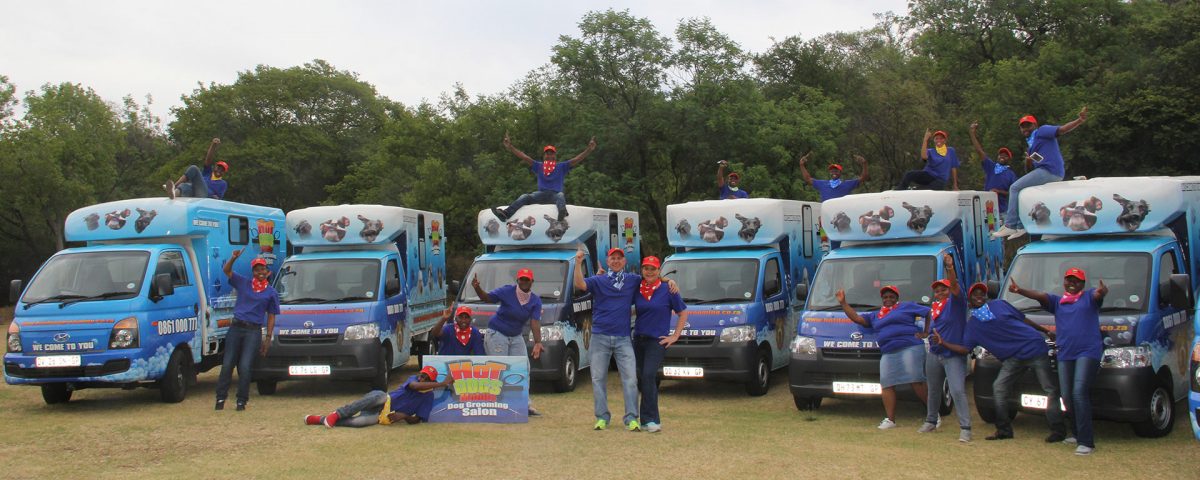
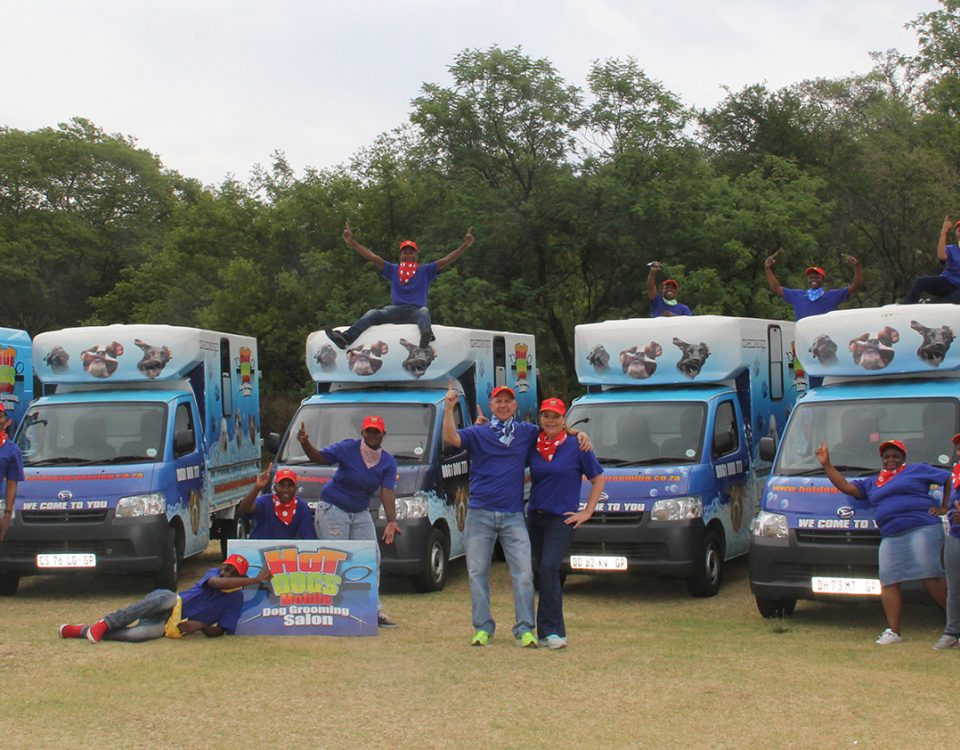
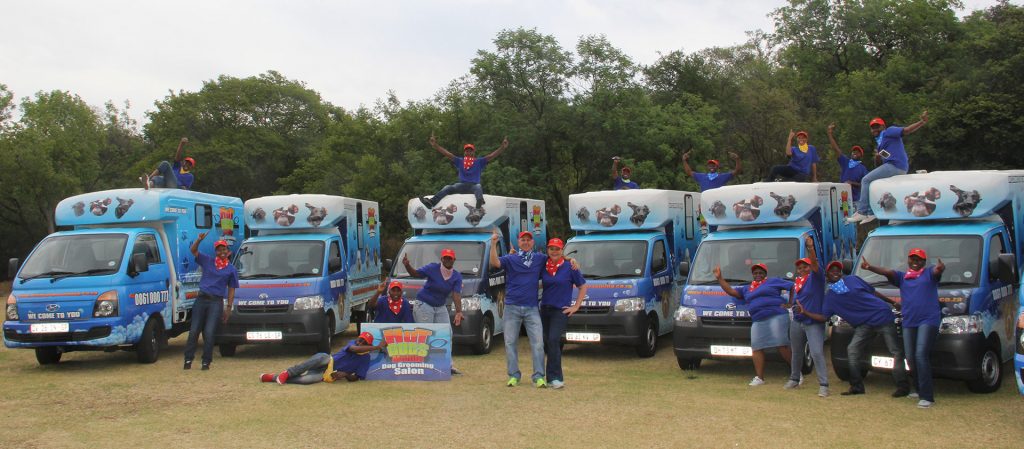
Yes, a dog groomer can come to your house. This service is known as mobile dog grooming, and it allows your dog to be washed, brushed, trimmed and cared for at or directly outside your property instead of travelling to a grooming salon.
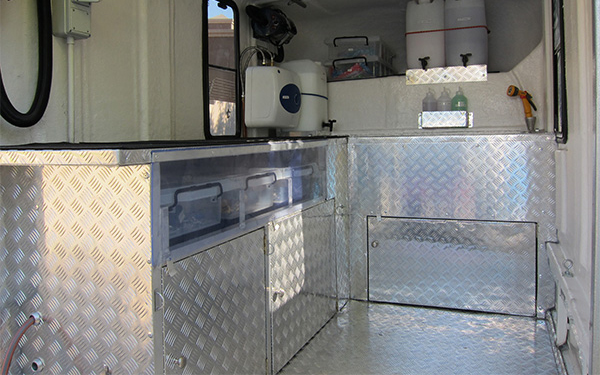
Depending on the provider, grooming may take place in a specially equipped vehicle or trailer parked outside your home. Some businesses offer in-home grooming, although this requires a suitable indoor space and access to water, drainage and electricity. It is worth confirming the setup before booking, as the term “mobile grooming” can describe more than one service model.
For dog owners, the main appeal is convenience. There is no trip across town, no waiting room and usually no need for a dog to spend several hours away from home. For dogs that find car journeys or busy salon environments difficult, the quieter appointment can also make grooming easier to manage.
This guide explains how a mobile dog grooming appointment works, what services can be included, how to prepare your home and how to decide whether it is the right option for your dog.
What is mobile dog grooming?
Mobile dog grooming is a professional grooming service delivered at the client’s property. The groomer travels to an arranged address with the tools and equipment needed for the appointment.
A mobile grooming unit can contain a grooming table, bath, dryer, clippers, brushes, combs and cleaning equipment. The exact facilities differ between providers. Some units are largely self-contained, while others need access to a power point or water supply at the property.
The dog is normally collected from the owner at the door or gate and taken to the grooming unit. Once the appointment is complete, the dog is returned without having had to travel in the owner’s car or wait around other animals.
Mobile grooming should not be confused with a groomer who simply collects dogs and transports them to a salon. Collection services can still be convenient, but they do not provide grooming at your home. Ask where the grooming will take place if this distinction matters to you.
How does a mobile dog grooming appointment work?
The process starts when you provide basic information about your dog and address. A groomer will usually need to know the breed or coat type, approximate size, age, coat condition and the service required. Behavioural or medical information that could affect handling must also be shared before the visit.
1. You request an appointment or quotation
Your location helps the grooming business establish whether your address falls within its route. Mobile groomers commonly group appointments by area so that travel time remains practical. You may also be asked for a photograph if your dog is a mixed breed, has a heavily overgrown coat or needs a specific trim.
HotDogs Mobile Grooming serves specified areas in Gauteng. Check the “Areas We Cover” menu on the HotDogs Mobile Grooming website before requesting an appointment, or include your suburb and postcode in your enquiry.
2. The groomer arrives at your property
The mobile unit needs a safe and reasonably level place to stop. Clear access matters, especially in estates, complexes and properties with controlled gates. If visitors need a security code, access approval or directions to a particular entrance, send these details beforehand.
Parking conditions can vary considerably across Gauteng. A wide suburban driveway is straightforward, while a narrow street, basement parking area or complex with vehicle-height restrictions may require prior planning. Let the groomer know about these limitations when making the booking.
3. Your dog is assessed
Before work begins, the groomer can check the coat for knots, matting, skin irritation, parasites or other visible concerns. This initial assessment helps establish what can be achieved safely.
A requested style is not always possible if the coat is severely matted. Tight matting pulls on the skin and can hide sores or sensitivity. Trying to brush out an extensive pelt can be uncomfortable and may damage the skin, so a shorter clip can sometimes be the kinder option. A groomer cannot diagnose a health problem, but can point out something that warrants advice from a veterinarian.
4. Grooming is completed
The dog is groomed according to its coat, condition and booked service. The sequence varies, but an appointment can involve brushing or clipping before the bath, washing, drying, further coat work, nail care and tidying around the feet, face and hygiene areas.
Owners do not generally need to remain in the unit. In fact, some dogs settle more readily once their owner is out of sight. Stay reachable by telephone in case the groomer needs to discuss the coat or adjust the requested style.
5. The dog is returned and aftercare is discussed
After the groom, you can ask about coat condition, recommended brushing and a suitable interval before the next visit. If knots are forming in predictable places, such as behind the ears or under a harness, this feedback helps you improve maintenance between appointments.
What can an at-home dog grooming service include?
A mobile appointment can cover many of the same tasks as salon grooming, but inclusions depend on the service selected, the dog’s coat and the provider. Typical grooming work can include:
- Brushing and removal of loose coat
- Bathing with a suitable dog shampoo
- Drying
- Clipping or trimming where appropriate
- Scissoring and shaping
- Nail trimming
- Cleaning or tidying around the eyes, feet and hygiene areas
- Basic ear cleaning where suitable
- Deshedding for coats that require it
Not every dog needs a haircut. Labradors, German Shepherds and many other double-coated dogs generally benefit from bathing, thorough drying, brushing and removal of loose undercoat rather than close clipping. Poodles and many poodle crosses have continuously growing coats that need regular brushing and scheduled clipping. Smooth-coated breeds may require less styling but still benefit from bathing, nail care and loose-hair removal.
Review the mobile dog grooming services offered by HotDogs to see the available service information. If you want a particular cut or task, mention it during the enquiry instead of assuming it forms part of every package.
Benefits of having a dog groomer come to your house
Less travel for you and your dog
You do not have to load a reluctant, muddy or very large dog into the car. This is particularly useful for multi-dog homes, owners with limited transport and households trying to fit grooming around work or family commitments.
A quieter grooming environment
A conventional salon can contain several dogs, dryers, staff members and unfamiliar sounds. A mobile unit usually deals with one household’s appointment at a time. This reduces exposure to other animals and can help dogs that become distracted or overexcited in a busy setting.
Mobile grooming is not automatically stress-free. Clippers, water and dryers still produce unfamiliar sensations and noise. A fearful dog may need gradual handling, shorter sessions or veterinary behavioural support, regardless of where grooming takes place.
Less waiting around
Salon schedules often require dogs to be dropped off and collected within set windows. With mobile grooming, the service happens outside your home and your dog can return inside as soon as the groom is finished.
Individual feedback
Direct handover gives you an opportunity to discuss practical coat care. This can be useful if you are unsure which brush to use, how often the coat needs attention or why knots keep developing in a particular area.
Mobile grooming compared with a grooming salon
Neither option is universally better. The right choice depends on your dog, your address and the type of service you need.
Mobile grooming is often a good fit if:
- Your dog dislikes car travel.
- You want to avoid a long salon stay.
- Your schedule makes drop-off and collection inconvenient.
- Your dog is calmer away from groups of unfamiliar animals.
- You have more than one dog to groom at the same address.
- A suitable mobile unit can access and park at your property.
A salon may be more practical if:
- Your property has no safe or legal parking space for a grooming vehicle.
- You need an appointment outside the mobile groomer’s route.
- The required specialist service or equipment is only available at a salon.
- Your dog already knows and enjoys a particular salon environment.
- You prefer to combine grooming with errands away from home.
Price can also differ because a mobile service includes travel and brings the workspace to each client. Compare the actual work included, not just the headline amount. Dog size, coat type, coat condition, styling requirements and time needed can all affect a quotation.
How long does mobile dog grooming take?
There is no single appointment length for every dog. A small, smooth-coated dog needing a bath and nail trim usually requires less work than a large double-coated dog during a heavy shed. A long or curly coat that needs careful clipping and shaping will also take longer.
Other factors include:
- The dog’s size and coat density
- Matting, compacted undercoat or excessive shedding
- The chosen style and coat length
- Drying time
- The dog’s age, mobility and tolerance of grooming
- Additional handling breaks
- The number of dogs booked at the property
A groomer may only be able to estimate the duration until the dog and coat have been assessed. Avoid arranging a time-sensitive commitment immediately after the booking, especially for a first appointment.
How to prepare for a mobile dog groomer
A little preparation prevents delays and makes the handover safer.
- Confirm access: Send gate instructions, complex rules and accurate directions before the groomer arrives.
- Reserve suitable space: Keep the driveway or agreed parking position clear. Mention steep slopes, low branches, narrow entrances or height limits.
- Ask about utilities: Confirm whether the unit needs access to electricity or water. Do not assume that every mobile setup is fully self-contained.
- Keep your dog secure: Use a collar, harness and lead for handover. Close driveway gates and keep other pets away from the entrance.
- Allow a toilet break: Give your dog an opportunity to relieve itself before the appointment.
- Share relevant information: Tell the groomer about bite history, touch sensitivity, seizures, arthritis, recent surgery, skin conditions or veterinary instructions.
- Remove clothing and accessories: Take off jerseys and non-essential accessories. Point out any collar that must remain on for a medical reason.
- Choose a realistic style: Save a reference photograph if you have a trim in mind, but expect the groomer to adapt it to your dog’s coat and condition.
Gauteng’s summer thunderstorms can arrive quickly, while hot surfaces and direct sun can make outdoor access uncomfortable. Keep the handover brief in severe heat or rain and ensure the agreed parking area remains accessible. During the dry winter months, regular brushing can also help manage dust and loose coat between visits.
What to tell the groomer before the appointment
Honest information protects both the dog and the person handling it. A groomer needs to know if your dog has previously snapped during nail trimming, struggles with dryers or panics when its feet are touched. Hiding a behavioural issue does not make the appointment easier; it removes the groomer’s chance to plan suitable handling or explain that another approach is needed.
Also disclose health and mobility concerns. Older dogs can tire quickly and may struggle to stand for a full groom. A modified style, extra breaks or shorter maintenance appointments can sometimes reduce strain. If a dog is unwell, has an infectious condition or has recently undergone a procedure, ask your veterinarian when routine grooming can safely resume.
Mobile groomers provide coat and hygiene care, not veterinary treatment. Painful ears, open wounds, severe skin inflammation, sudden hair loss or unusual lumps need veterinary assessment.
How often should a mobile dog groomer visit?
Frequency depends more on coat and lifestyle than on the convenience of the service. Curly and continuously growing coats often need professional grooming on a regular cycle, supported by brushing at home. Long, silky coats also knot quickly if neglected.
Double coats usually require routine brushing and more intensive deshedding during seasonal coat changes. Close clipping is generally not the default solution for shedding because it does not stop the natural shedding cycle and can alter the coat’s appearance or regrowth. Smooth coats may need less frequent full grooming, although nails can require attention sooner.
Dogs that swim, roll in dirt, spend time in Gauteng’s dusty winter conditions or wear harnesses daily may need more frequent coat maintenance. Waiting until a coat is badly matted limits styling choices and makes the session harder for the dog. Ask for a schedule based on the individual coat after the first groom.
Choosing a mobile dog groomer
Start by checking whether the provider covers your suburb and offers the service your dog needs. Then ask clear, practical questions:
- Where will the grooming take place?
- Does the unit need water or electricity from the property?
- What is included in the quoted service?
- How are heavily matted coats handled?
- What information is needed about behaviour and health?
- Can the property accommodate the grooming vehicle or unit?
- What happens if weather, access problems or load limitations affect the booking?
A useful quotation requires accurate details. Describing a dog only as “medium-sized” may not reveal coat density, matting or styling needs. Supply the breed or likely mix, approximate weight, current coat length, date of the previous groom and any known handling concerns. A recent photograph can help.
You can request a mobile grooming quote from HotDogs and provide your Gauteng suburb along with your dog’s details. The more complete the enquiry, the easier it is to assess the requested service.
Frequently asked questions about mobile dog grooming
Do I need to be at home while my dog is groomed?
You will generally need to be present for the initial handover unless another arrangement has been confirmed. You do not normally have to watch the full groom, but you should remain contactable in case the groomer needs approval to change the trim or discuss a coat problem.
Can a mobile groomer work with an anxious or elderly dog?
Mobile grooming can suit some anxious and elderly dogs because it removes the car journey and busy salon waiting period. Suitability still depends on the dog’s health, mobility and response to handling, clippers and dryers. Share all relevant information before booking, and seek veterinary guidance if grooming could aggravate pain or a medical condition.
Does a mobile dog groomer need access to my bathroom?
Not necessarily. Many mobile appointments take place in an equipped vehicle or trailer rather than inside the house. Requirements vary, however, and some units need an external water connection or electrical point. Ask what must be available at your property before the appointment.
Arrange mobile dog grooming at your Gauteng home
A mobile dog groomer can bring professional coat care directly to your property, saving you the drive and reducing time spent away from home. The best results come from choosing the right service for the coat, sharing health and behaviour information honestly and booking before tangles become severe matting.
Ready to arrange a visit? Check that HotDogs Mobile Grooming covers your area, then send a direct grooming enquiry with your suburb, dog’s breed or coat type, size and required service. HotDogs can use those details to respond to your mobile dog grooming request.