Dog Grooming Without Leaving Home: Is Mobile Grooming Right for Your Dog?
Mobile dog grooming brings a professional grooming service to your property, removing the need to drive your dog to a salon and collect them later. For many households, it is a practical way to manage bathing, brushing, clipping and nail care with less disruption to the day.
Is mobile grooming right for every dog? Not automatically. It often suits dogs that dislike car travel, older pets with limited mobility, busy households and dogs that become overwhelmed in a busy salon. A dog’s temperament, health, coat condition and grooming history still need to be considered before deciding.
The quality of the experience also depends on clear communication. The groomer needs accurate information about your dog’s behaviour, medical conditions and coat, while you need to know what the appointment includes, how long it is likely to take and which grooming result is realistic.
This guide explains how mobile dog grooming works, which dogs tend to benefit, where its limitations lie and how Gauteng owners can prepare for a safer, more comfortable appointment.
What is mobile dog grooming?
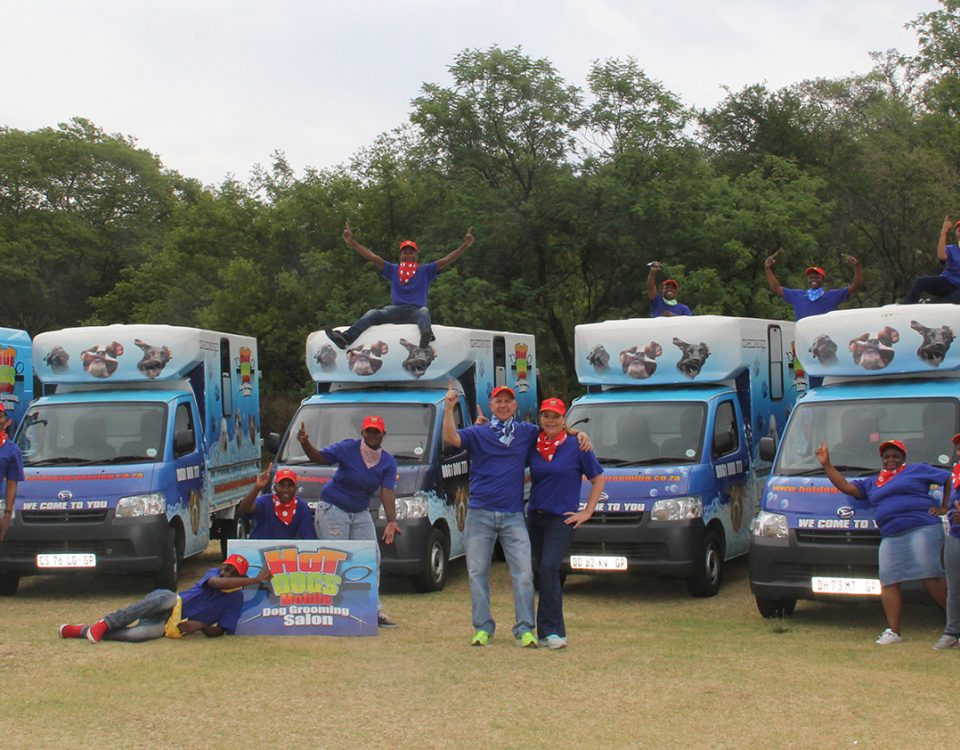
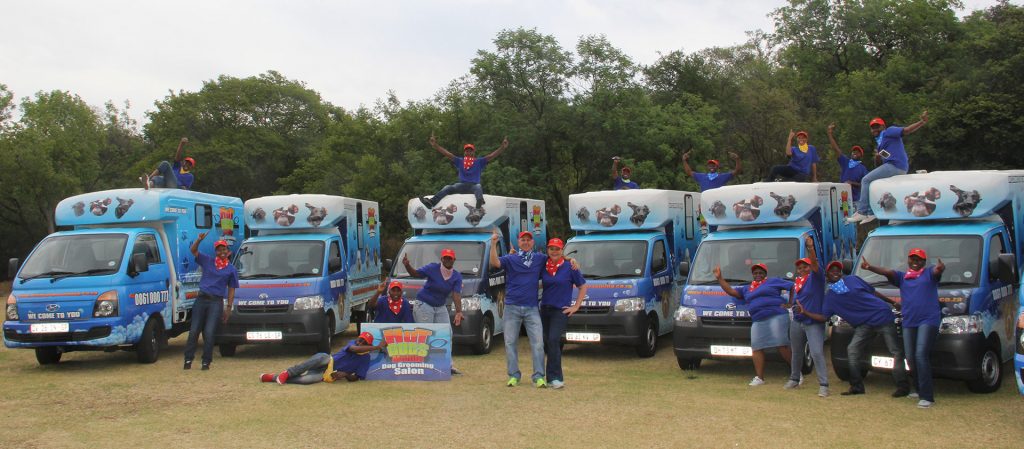
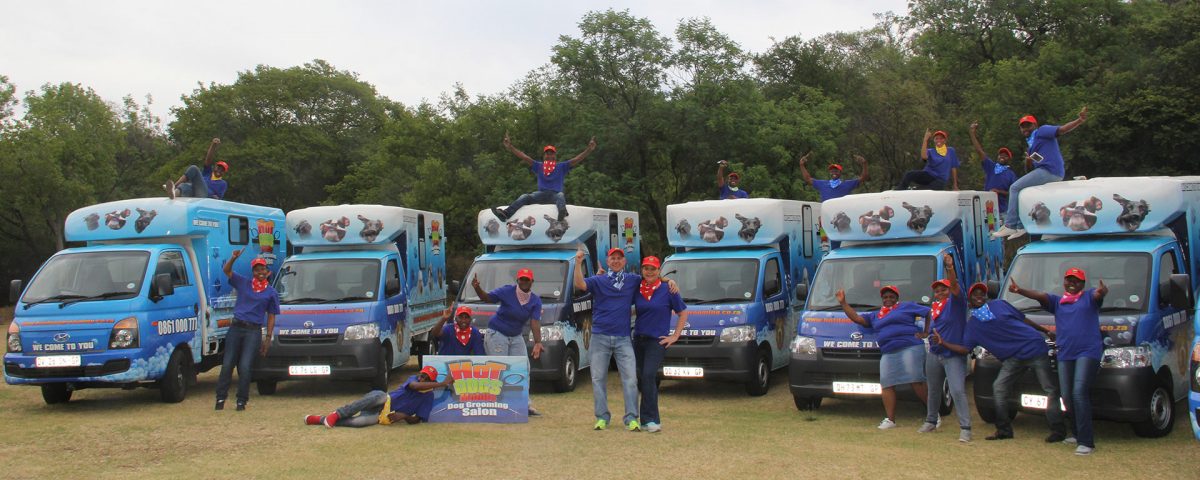
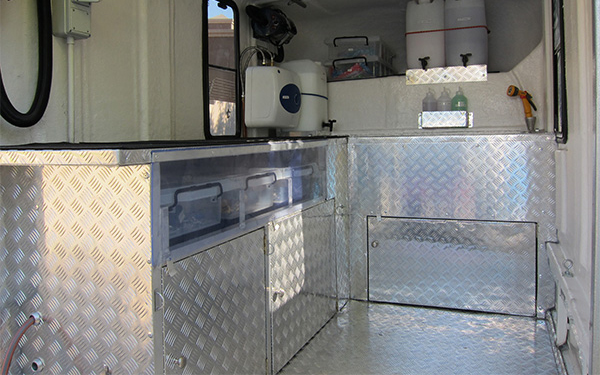
Mobile dog grooming is a scheduled grooming service performed at or immediately outside the client’s property. Depending on the provider’s operating model, grooming may take place in a specially equipped vehicle, trailer or another designated mobile workspace. It differs from an ordinary salon appointment because the groomer travels to the customer.
It also differs from casual grooming inside the house. Owners should confirm where the dog will be groomed, what access is required and whether the unit needs space near the property. Ask about water, electricity, parking and access arrangements when making an enquiry instead of assuming every mobile service operates in the same way.
A typical full groom can involve coat assessment, bathing, drying, brushing, nail trimming, hygiene work and clipping or trimming where appropriate. The precise combination varies by dog and provider. HotDogs Mobile Grooming lists its available mobile dog grooming services online, making that the best place to check what can be requested before booking.
Which dogs benefit most from grooming at home?
The greatest benefit is usually a simpler journey from home to the grooming area. There is no drive across town, no unfamiliar salon reception and potentially less exposure to the sounds and movement of other animals. That can make a meaningful difference for several types of dog.
Dogs that dislike travelling
Some dogs drool, pant, whine, become nauseous or refuse to get into a car. If the only car trips they take are to the vet or groomer, their anxiety can start before the engine is switched on. A mobile appointment removes the road journey, although the dog will still need to accept handling, bathing, drying and grooming equipment.
Senior dogs and dogs with restricted movement
Older dogs may struggle to climb into a vehicle, remain steady on slippery surfaces or wait for long periods. Grooming close to home can reduce unnecessary movement and time away from familiar surroundings.
Age alone does not make grooming risk-free. Arthritis, poor balance, heart disease, breathing difficulties and reduced stamina can affect how the session is managed. Owners need to disclose these concerns beforehand. A groomer may recommend shorter sessions, a simpler trim or veterinary input if the dog’s condition raises a safety concern.
Dogs that become overstimulated around other animals
A busy salon can contain barking dogs, dryers, people moving between workstations and unfamiliar scents. Dogs that react strongly to these stimuli may cope better in a quieter, individual appointment. Mobile grooming cannot guarantee that a reactive dog will be calm, but removing some triggers can create a more manageable setting.
Puppies learning to accept grooming
A puppy’s first sessions shape how it responds to grooming later. A gentle introductory appointment can focus on handling, standing on a grooming surface, the sound of equipment and brief work around the feet, face and ears. Trying to achieve an elaborate haircut during a puppy’s first exposure is less valuable than building tolerance safely.
Owners with demanding schedules
Mobile grooming can also suit people working from home, families coordinating school runs and owners who would otherwise make two journeys for a salon appointment. Someone still needs to be available to hand over the dog, discuss the groom and receive the pet afterwards. It is a convenient service, not unattended pet care.
When mobile grooming may not be the best option
A service arriving at home solves transport and scheduling problems, but it does not remove every grooming challenge. Some dogs need a different plan or a veterinary setting.
- Dogs with urgent medical symptoms: Open wounds, severe skin inflammation, collapse, breathing distress or sudden pain need veterinary assessment, not a routine groom.
- Dogs requiring sedation: Groomers do not replace veterinary care. Sedation decisions belong with a veterinarian and must never be improvised at home.
- Severely aggressive dogs: Familiar surroundings do not always reduce defensive behaviour. The groomer needs an honest description of previous biting, snapping or restraint problems before accepting the appointment.
- Extensive matting: A heavily matted coat can hide sores, bruising, parasites or restricted skin. Removing it may require a short clip and careful staged work rather than the long, styled finish an owner expects.
- Dogs unable to tolerate essential equipment: A dog that panics around water, clippers or dryers may need gradual desensitisation, shorter sessions or support from a qualified behaviour professional.
Mobile grooming is most successful when the service is matched to the dog in front of the groomer. Withholding behavioural or medical information can put both dog and groomer at risk.
How coat type affects the grooming plan
Convenience is only one part of the decision. A useful grooming plan must reflect coat texture, growth cycle, shedding level, skin condition and the owner’s ability to maintain the coat between appointments.
Short, smooth coats
Breeds and crossbreeds with short coats may not need clipping, but they still benefit from bathing when dirty, removal of loose hair, nail care and checks around the ears, paws and skin. Over-bathing with unsuitable products can dry or irritate the skin, so frequency should reflect the dog’s lifestyle and veterinary advice where a skin condition exists.
Double coats
Double-coated dogs have a protective outer coat and a softer undercoat. Thorough brushing and controlled removal of loose undercoat are generally more appropriate than routine shaving. Cutting a double coat very short does not offer a reliable solution to shedding and can alter how the coat grows back.
Gauteng’s hot summer days sometimes lead owners to request a shave because they believe it will cool the dog. Coat removal is not a substitute for shade, drinking water, suitable exercise times and protection from extreme heat. Any clipping decision needs to account for the dog’s coat type, skin and medical circumstances.
Long, silky and feathered coats
Long hair tends to tangle behind the ears, under collars, in armpits, around the legs and beneath the tail. Regular brushing and combing are needed between professional appointments. A brush can glide over the surface while compacted knots remain close to the skin, so a metal comb is useful for checking whether the coat is clear down to its base.
Curly and continuously growing coats
Curly coats can trap shed hair instead of releasing it around the home. Without brushing and combing, that retained hair forms knots and eventually tight mats. Dogs kept in longer styles require more frequent home maintenance and usually more regular professional grooming than dogs in practical, shorter trims.
Owners who prefer a plush or long finish need to maintain it. If the coat is already tightly matted, clipping it short can be the kinder option because prolonged dematting pulls at the skin and creates unnecessary discomfort.
Wire and specialist coats
Some wire-coated breeds are clipped, while others may be hand stripped to retain a particular texture. Not every groomer offers hand stripping, and it takes more time than an ordinary clip. Ask specifically about specialist techniques before the appointment rather than assuming they form part of a standard groom.
How often does a dog need professional grooming?
There is no single correct schedule for all dogs. Grooming frequency depends on coat type, coat length, activity, skin health and how much maintenance happens at home.
Dogs with continuously growing coats often need appointments on a regular cycle to retain a manageable shape and prevent matting. Double-coated dogs may need more undercoat work during heavy shedding periods. Short-coated dogs can sometimes go longer between full grooms, although their nails, ears and skin still need routine attention.
Use the condition of the coat as a guide. Tangling that returns soon after brushing, hair covering the eyes, compacted fur between the paw pads, strong odour and nails affecting the dog’s stance all indicate that the current routine needs attention. Waiting until the coat is severely matted turns an ordinary maintenance groom into a difficult remedial session.
Gauteng’s dry winter conditions can leave coats dusty and increase static in longer hair, while summer rain can contribute to muddy feet and damp tangles. Seasonal changes may justify adjusting brushing or appointment timing without automatically changing the dog’s entire haircut.
Mobile grooming compared with a salon visit
Neither format is universally better. The right choice depends on the dog, household and type of grooming work required.
- Travel: Mobile grooming avoids taking the dog across Gauteng traffic, while a salon requires drop-off and collection.
- Environment: A mobile session can involve fewer animal-related distractions. A salon may have several pets and staff members present.
- Scheduling: Mobile appointments depend on route planning and access to the service area. Salons may offer a wider range of daily appointment slots.
- Handling needs: Individual attention can help some dogs, but dogs with serious medical or behavioural risks may still need a specialised plan.
- Facilities: Equipment and available techniques differ between providers. Confirm that the chosen service can accommodate the dog’s size, coat and requested groom.
- Cost: Mobile pricing can reflect travel, time, coat condition, dog size and the work requested. Obtain a tailored quote instead of comparing only a headline figure.
Owners often focus on convenience, but the dog’s response is the better test. Observe how your pet behaves before and after the appointment and discuss any signs of distress with the groomer.
What to tell the groomer before booking
A detailed enquiry helps the provider allocate suitable time and decide whether mobile grooming is appropriate. Share the dog’s breed or likely mix, age, approximate size, coat length and current condition. Photos can be useful if the provider requests them, especially where matting or a major style change is involved.
Also disclose:
- Previous bites, snaps, escape attempts or sensitivity to touch
- Fear of dryers, water, clippers or nail trimming
- Arthritis, seizures, heart conditions or breathing difficulties
- Skin allergies, infections, growths, wounds or recent surgery
- The date and outcome of the previous professional groom
- Any area of the body that appears painful
Be specific about the desired result. A request such as short but fluffy means different things to different people. Explain how much brushing you can realistically do at home, whether you want an easy-maintenance trim and which features you would like retained. The final style still depends on coat condition and safe grooming practice.
Preparing your dog for a mobile grooming appointment
- Confirm access and parking arrangements. Follow the provider’s instructions and make sure gates, security access and contact details will not delay arrival.
- Allow a toilet break. Give your dog time to relieve itself before the appointment, but avoid exhausting exercise immediately beforehand.
- Keep the dog secure. Use a suitable lead or secure indoor area. Do not allow the dog to roam near an open gate or moving grooming vehicle.
- Avoid a large meal just before grooming. This can be particularly relevant for dogs that become anxious or nauseous, although normal access to drinking water remains necessary.
- Do not cut mats out with scissors. Dog skin can be drawn into a mat and is easily cut. Leave tight knots for the groomer to assess.
- Give the groomer space to work. Some dogs settle better when their owner is out of sight. Follow the groomer’s direction instead of repeatedly entering the work area.
- Stay contactable. The groomer may need approval for a shorter clip or need to stop if an unexpected skin or behavioural issue appears.
After the session, check the grooming result and ask questions straight away. A dog may be tired after standing and being handled, but persistent distress, pain, bleeding or an unusual physical reaction warrants prompt attention and, where appropriate, veterinary advice.
Common mobile grooming mistakes owners can avoid
The first mistake is booking solely on the basis of the lowest price. Coat condition, safe handling, communication and suitable service scope matter as much as the initial figure. Ask what is included and what circumstances could change the quotation.
Another is waiting too long between appointments while expecting the same long haircut. Once matting is tight against the skin, preserving coat length may no longer be comfortable or achievable. A shorter reset followed by regular brushing often produces a better long-term result.
Owners also sometimes try to hide aggression because they fear the booking will be refused. That removes the groomer’s opportunity to plan safe handling or recommend another route. Honest disclosure protects the dog, the groomer and everyone on the property.
Finally, avoid using human shampoo, perfume, scissors or clippers as a quick fix before the appointment. Human products are not formulated for canine skin, and untrained cutting around mats, ears, eyes and skin folds can cause injury.
Choosing a mobile dog groomer in Gauteng
Start by checking that the business covers your part of Gauteng. Mobile routes are shaped by travel time and practical scheduling, so being in the province does not automatically place every address inside a provider’s operating area.
Ask clear questions about where grooming takes place, what the service includes and how behavioural or medical concerns are handled. The provider should be willing to discuss coat condition, realistic styling and circumstances in which a groom would be changed or stopped.
Useful questions include:
- Do you cover my suburb or postcode?
- What information do you need before confirming the appointment?
- Which services are included in the quoted groom?
- Can you accommodate my dog’s size and coat type?
- What happens if severe matting is found?
- How do you approach dogs that are nervous about dryers or nail care?
- What access or parking do you require?
A professional answer will not promise a perfect haircut before the coat and dog have been assessed. Grooming is hands-on work, and safe limits sometimes become apparent only during the session.
Is mobile dog grooming right for your dog?
Mobile dog grooming is a strong option if your dog finds travel difficult, copes better away from a busy salon or needs a convenient maintenance routine close to home. It can also help owners keep to a regular schedule before knots, overgrown nails and shedding become harder to manage.
It is less suitable as a substitute for veterinary treatment, sedation or specialist behavioural support. The dog’s welfare must remain more important than completing every requested task or preserving a particular hairstyle.
If you are considering mobile dog grooming in one of the Gauteng areas served by HotDogs Mobile Grooming, describe your dog’s coat, size, health and behaviour as accurately as possible. You can review the available service options and request a dog grooming quote for your address. A clear enquiry is the quickest way to confirm coverage, discuss the groom and arrange an appropriate appointment.
Frequently asked questions about mobile dog grooming
Is mobile grooming less stressful for dogs?
It can be less stressful for dogs that dislike car travel or become overstimulated around other animals. It does not remove the sensations of bathing, drying, nail trimming or clipping, so dogs with handling fears still need a patient, realistic grooming plan.
Can a mobile groomer work with a matted dog?
This depends on the severity of the matting, the dog’s health and the provider’s assessment. Tight matting is often clipped short because extensive brushing can pull painfully on the skin. Hidden sores or severe inflammation may require veterinary attention.
How much does mobile dog grooming cost in Gauteng?
Pricing can vary according to dog size, coat type, coat condition, requested services, handling requirements and location. The most reliable approach is to provide accurate details and request an individual quotation rather than relying on a generic price for all dogs.